LUROGEF INSIGHTS · RESOURCES
Clearer decisions for
connected health products
Practical articles for the teams building, buying and bringing health wearables to market. Explore the technology behind blood pressure watches, smart rings and connected glucose monitoring, then move from a useful first answer to the product or OEM/ODM path that fits your project.

Cluster 01
Blood Pressure Watches
How wrist blood-pressure measurement actually works, and what separates a real pressure measurement from an optical estimate.
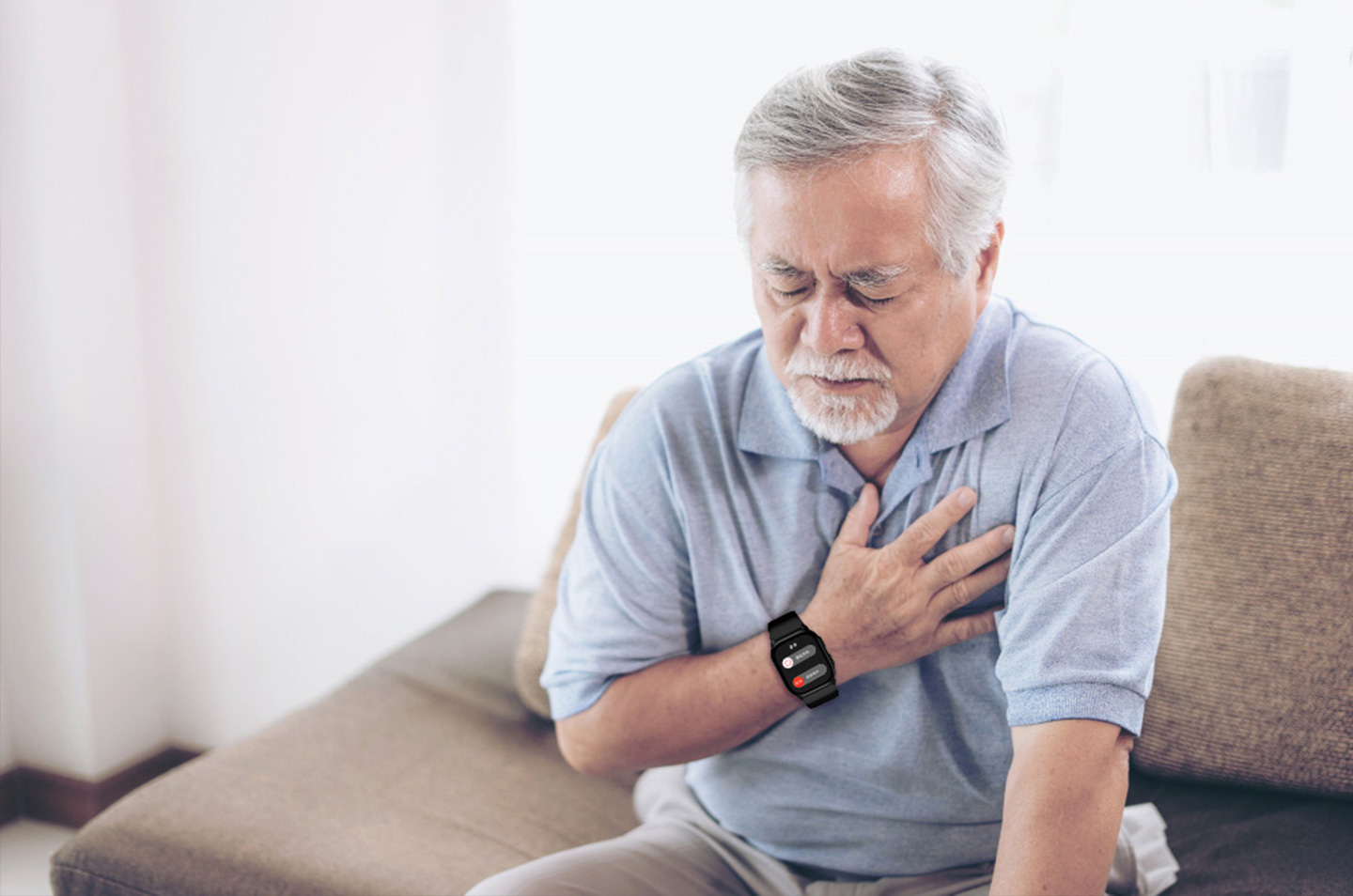
How to Choose an Oscillometric Blood Pressure Watch: B2B Selection Guide
Buyer-side selection criteria for a wrist oscillometric device: why cuff width and wrist circumference change the reading, what cellular versus Bluetooth connectivity costs in battery terms, and the arm-positioning offset that quietly moves every result.
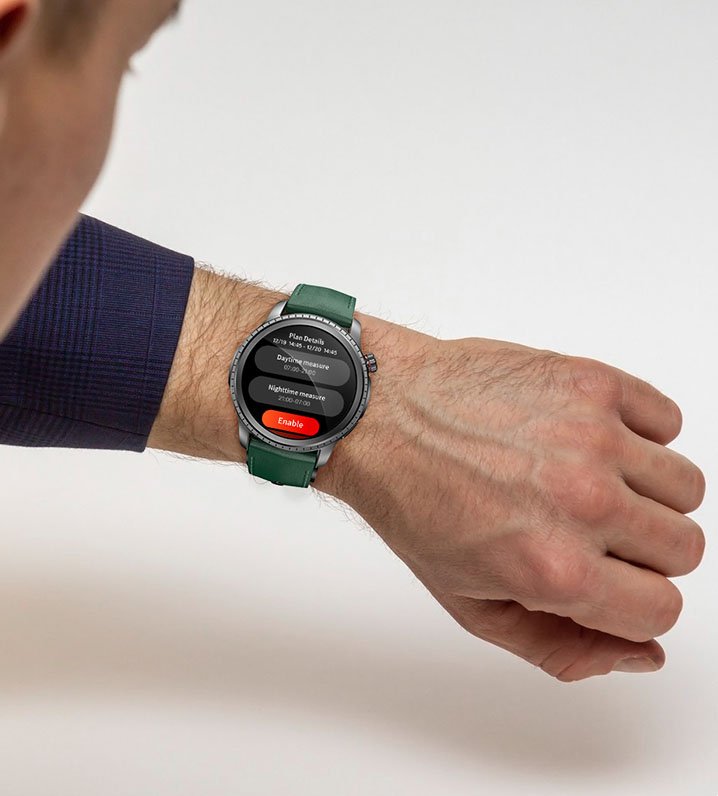
Micro Pump vs Optical PPG Blood Pressure Watch Technology: Engineering Comparison
The engineering comparison behind the category: pulse-transit-time physics and why optical calibration drifts, piezoelectric pump cycle endurance, hybrid sensor-fusion designs, and how wrist movement corrupts waveform extraction.
Cluster 02
Smart Rings
What a ring can physically measure, why its optical chain is harder than a watch’s, and how to plan a private-label programme around those limits.
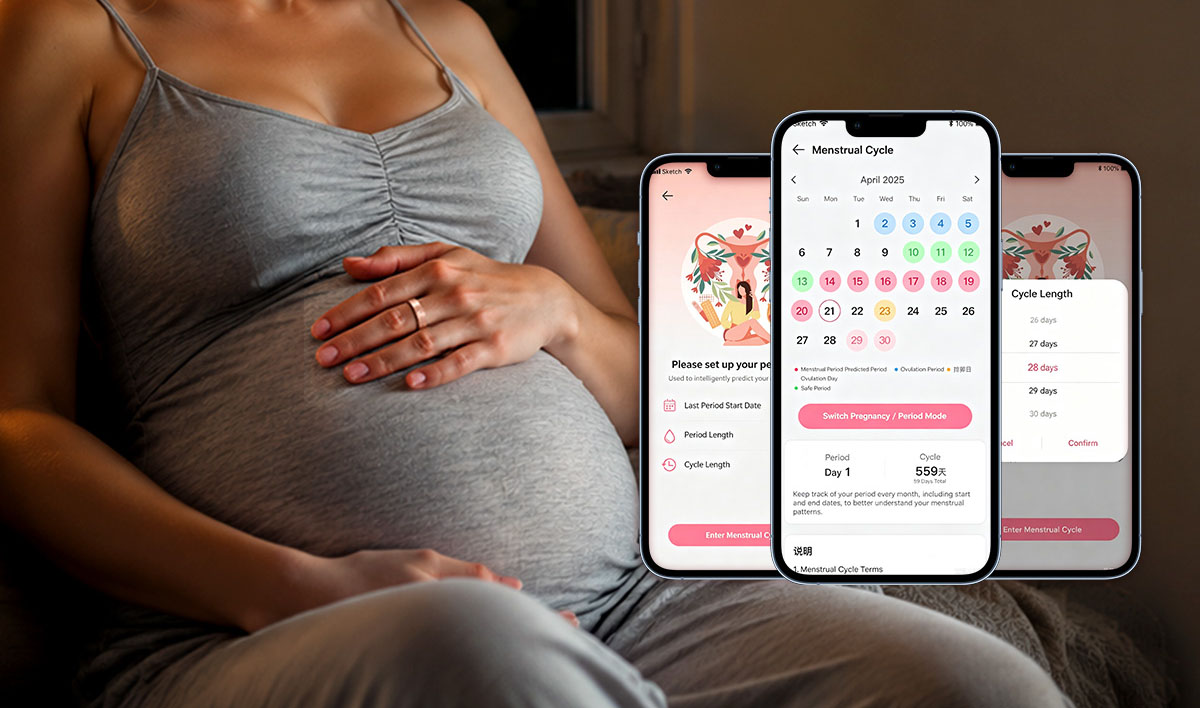
How to Choose a Smart Ring Platform for Private Label
Programme sequencing for a private-label ring: whether the material or the sensor set is decided first, how to match a sensor set to the data promise you intend to publish, sizing operations that protect the return rate, and the documentation to request before a production run.
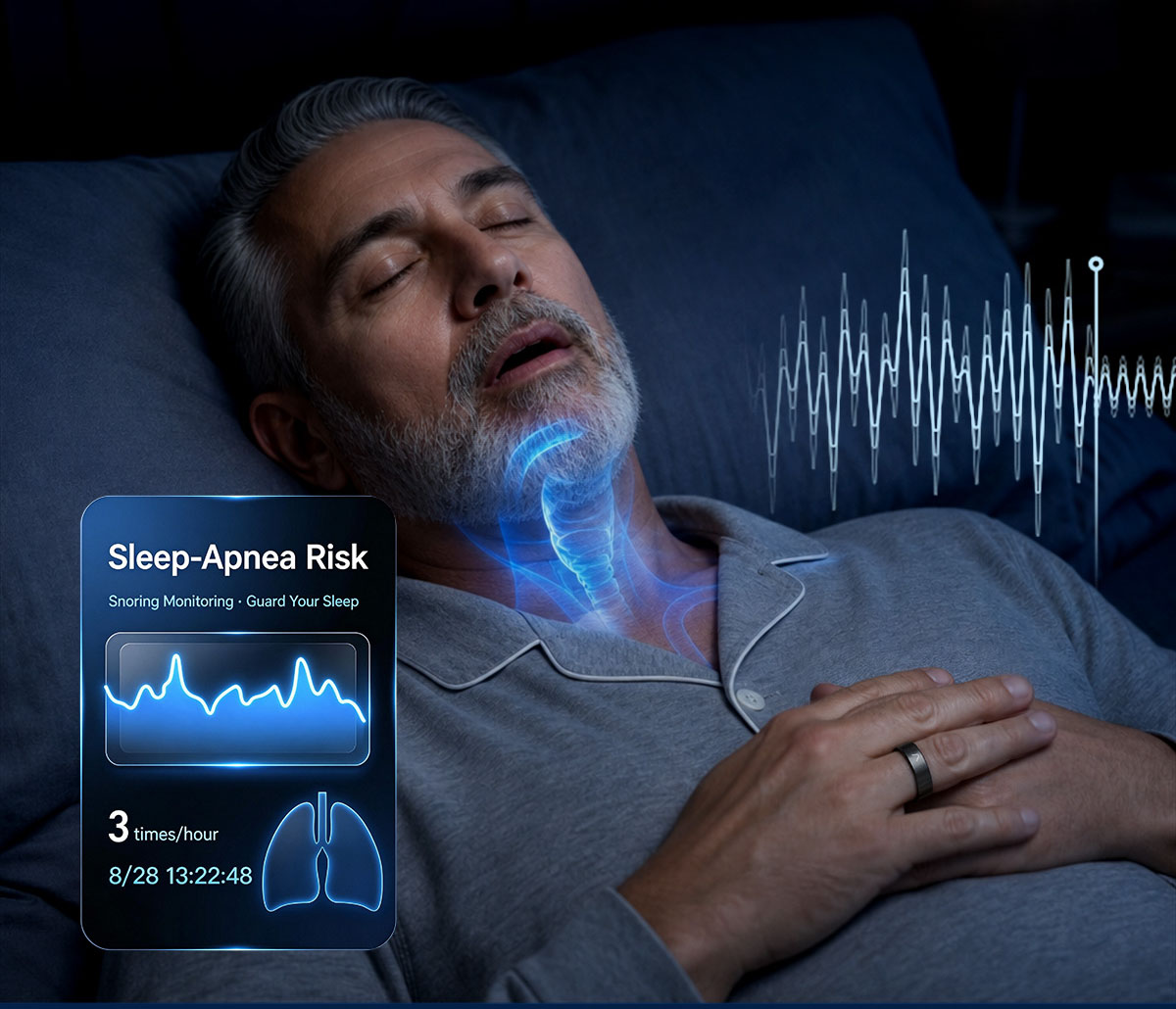
Wearable Ring Sensor Architecture and Measurement Limits
Why a ring cannot simply reuse a wrist wearable’s optical design, the accelerometer’s second job as a trust signal, what a contact temperature module does and does not measure, and where the optical chain stops being reliable.
Cluster 03
CGM & Connected Monitoring
How a connected glucose system is put together, why the sensor and the display are separate objects, and how to evaluate one for a monitoring programme.
How to Evaluate a CGM System for Remote Monitoring Programs
Programme-side evaluation: whether the sensor or the data workflow comes first, how to compare two systems when the specification sheets converge, who owns a reading that fails to appear, and the documentation to hold before listing in a market.
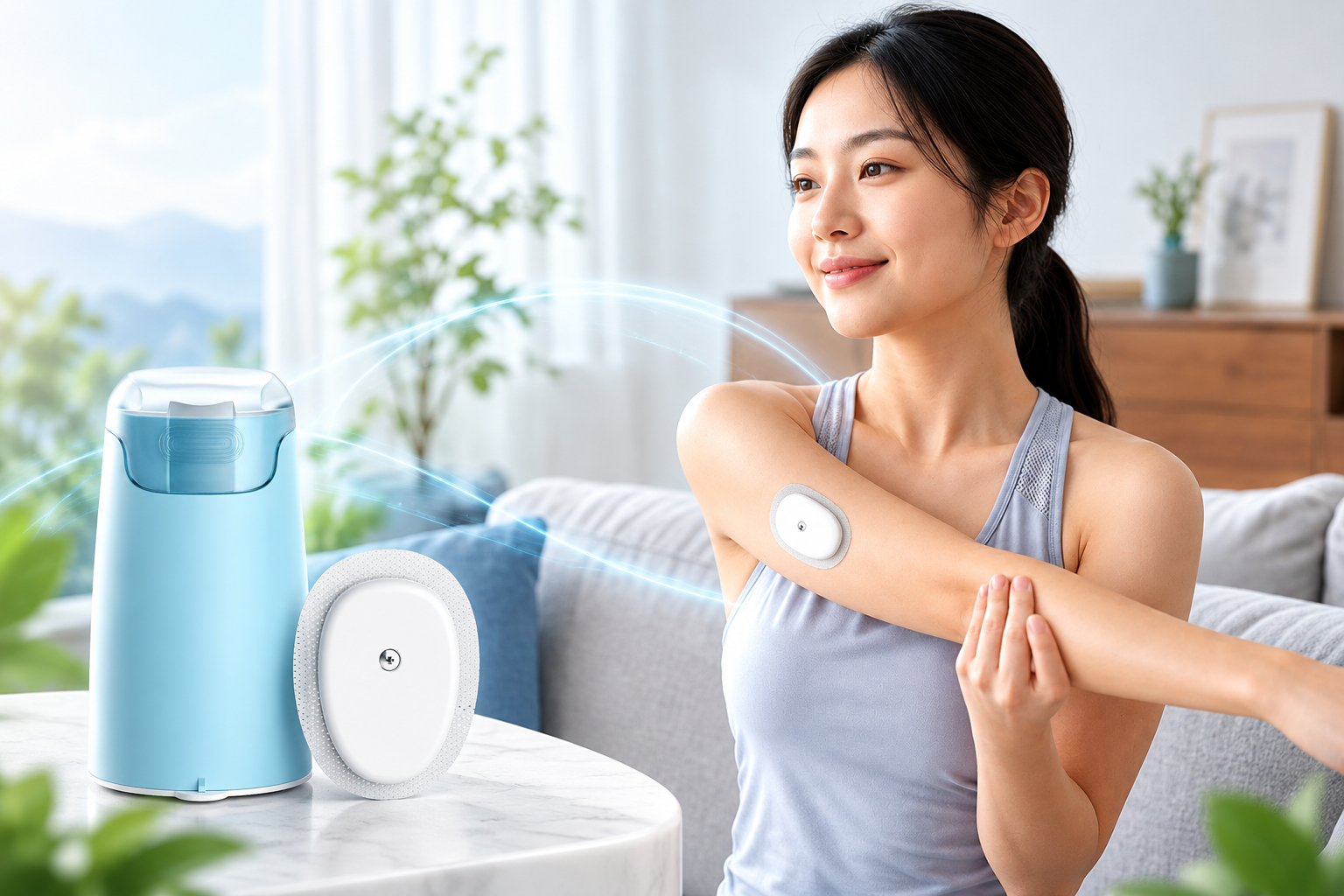
CGM System Architecture: From Sensor to Display
The architecture stage by stage: why the sensing element must contact the body, how an enzyme-based element turns a reaction into a readable signal, what happens across a wear period, transmission failure behaviour, and why a displayed number is a representation rather than a raw reading.
Cluster 04
Health Brands & Distributors
For the organisation that will put the product on a market under its own identity — sequencing, responsibility and the documents to hold.
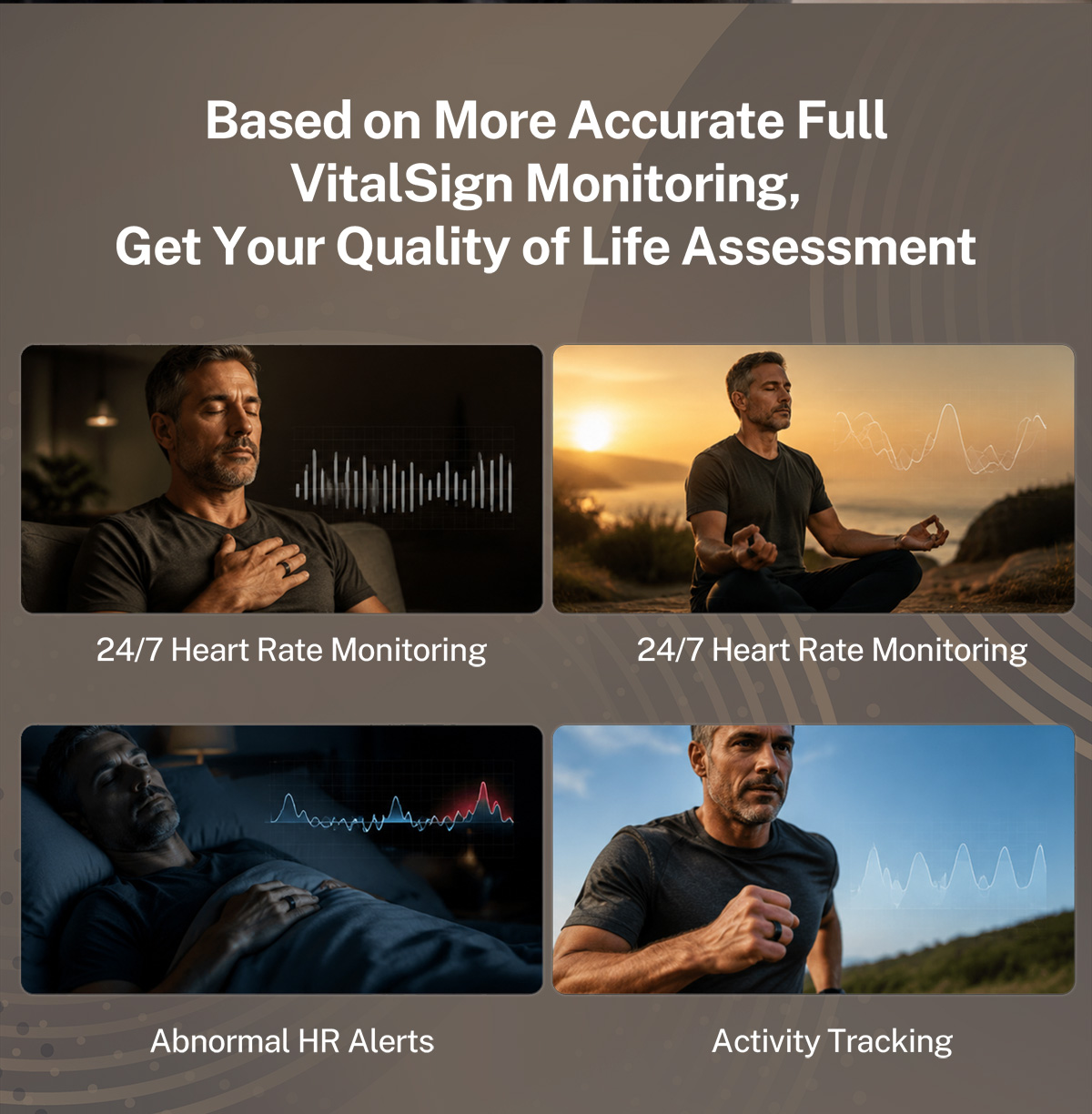
How to Launch a Private-Label Health Wearable Programme
What a brand should write down before evaluating hardware, which entity carries the registration duty in a given market, who owns the app store listing after launch, and the four failure patterns that sink private-label programmes most often.

How to Evaluate a Health Wearable Supplier as a Distributor
Distributor-side due diligence: what carrying a wearable line actually obligates you to, which technical document categories to request, how to test whether a supplier’s claims are safe to repeat, and who supports the app your customers install.
Cluster 05
Digital Health Businesses
For teams integrating a device into a workflow they already operate — the data path, its owners, and what a pilot can and cannot prove.
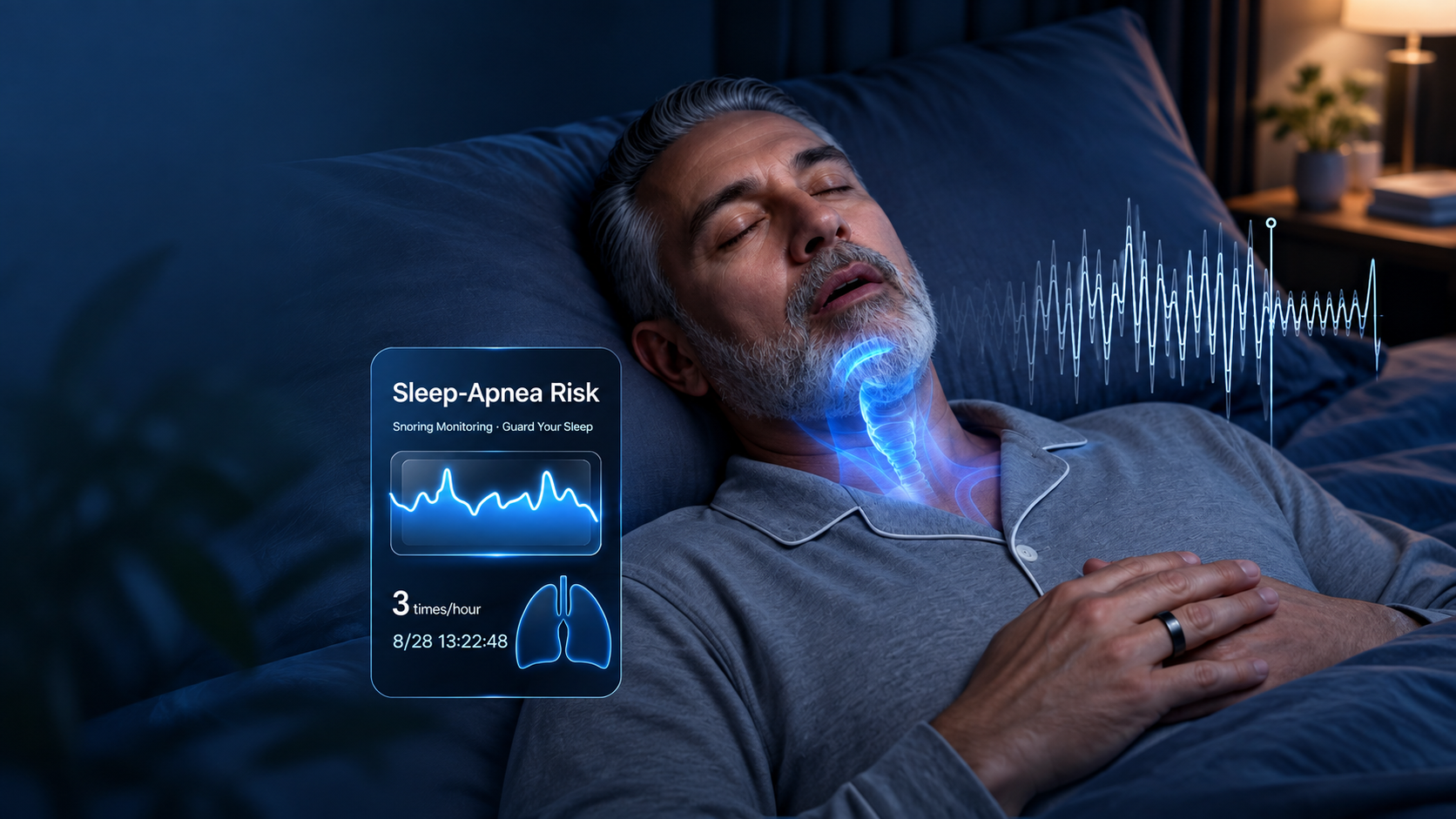
How to Select a Measurement Device for a Remote Monitoring Workflow
Workflow before hardware: writing the intended use in four fields, deciding between cellular and Bluetooth operating models, the training burden a measurement protocol really carries, and the five document categories to obtain before committing.
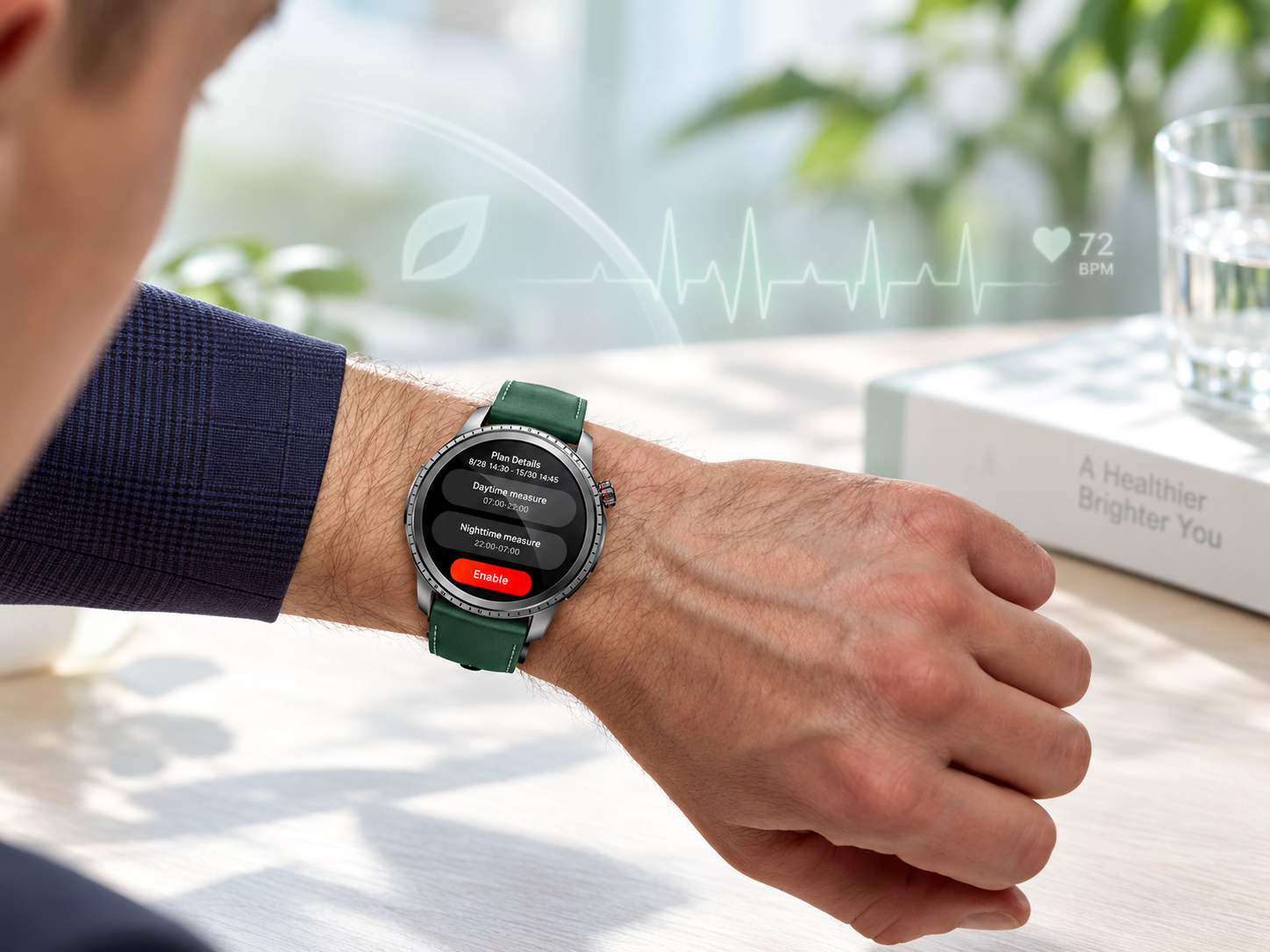
How to Plan a Connected Monitoring Pilot
Pilot design without invented benchmarks: deriving a device count from your own onboarding capacity, naming an owner for each hop in the data flow, what the authorization step must cover including withdrawal, and the six things a pilot cannot prove.
Cluster 06
OEM & ODM
How a custom development project actually runs, who decides what at each stage, and what the brand owner still owns afterwards.
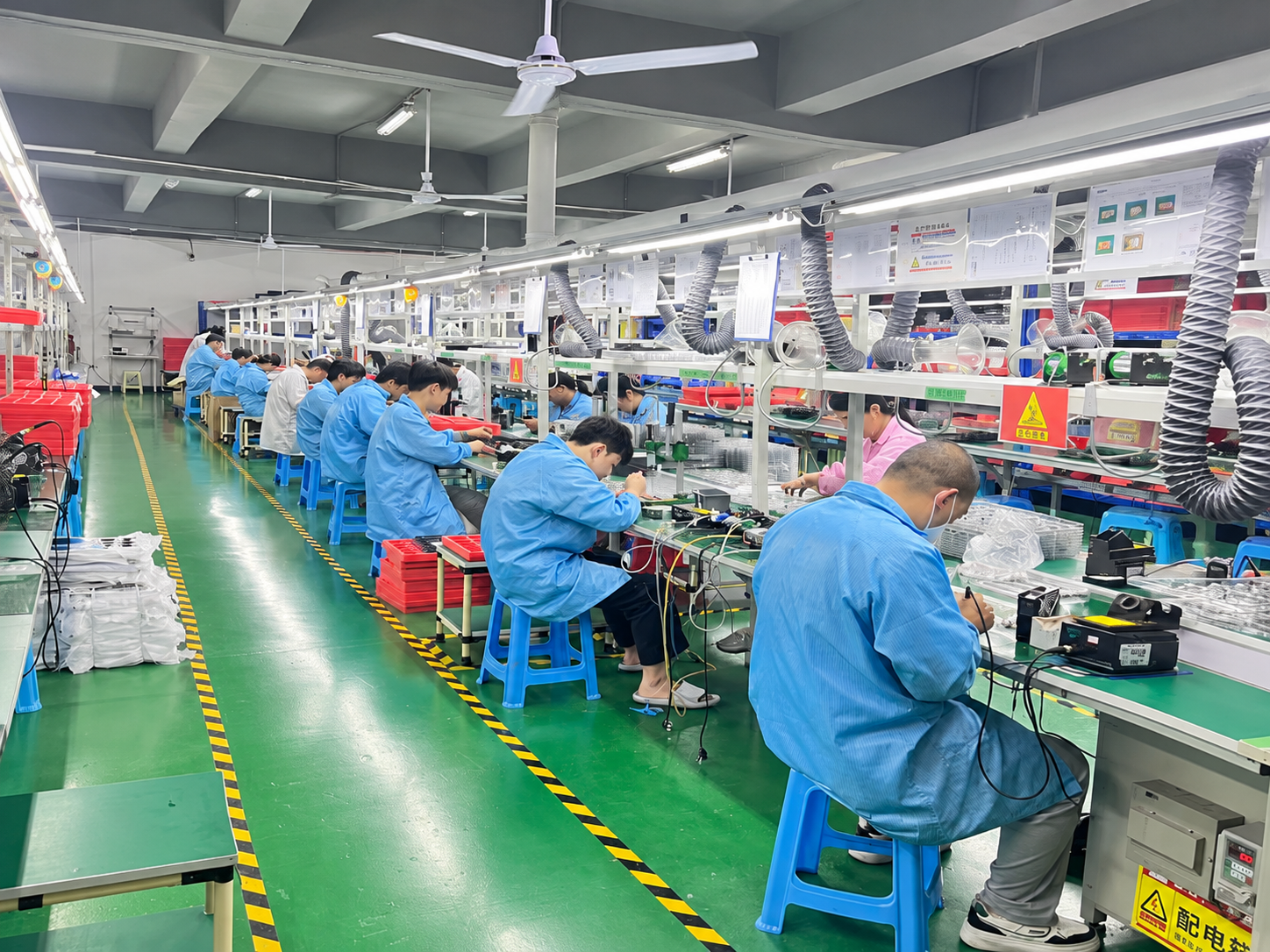
How a Private-Label Wearable Project Runs
The project route stage by stage: the one page that must be written before design starts, the decision owner and required artefact at each stage, why the platform choice is the cheapest to change and the most expensive to get wrong, and where the production boundary actually sits.
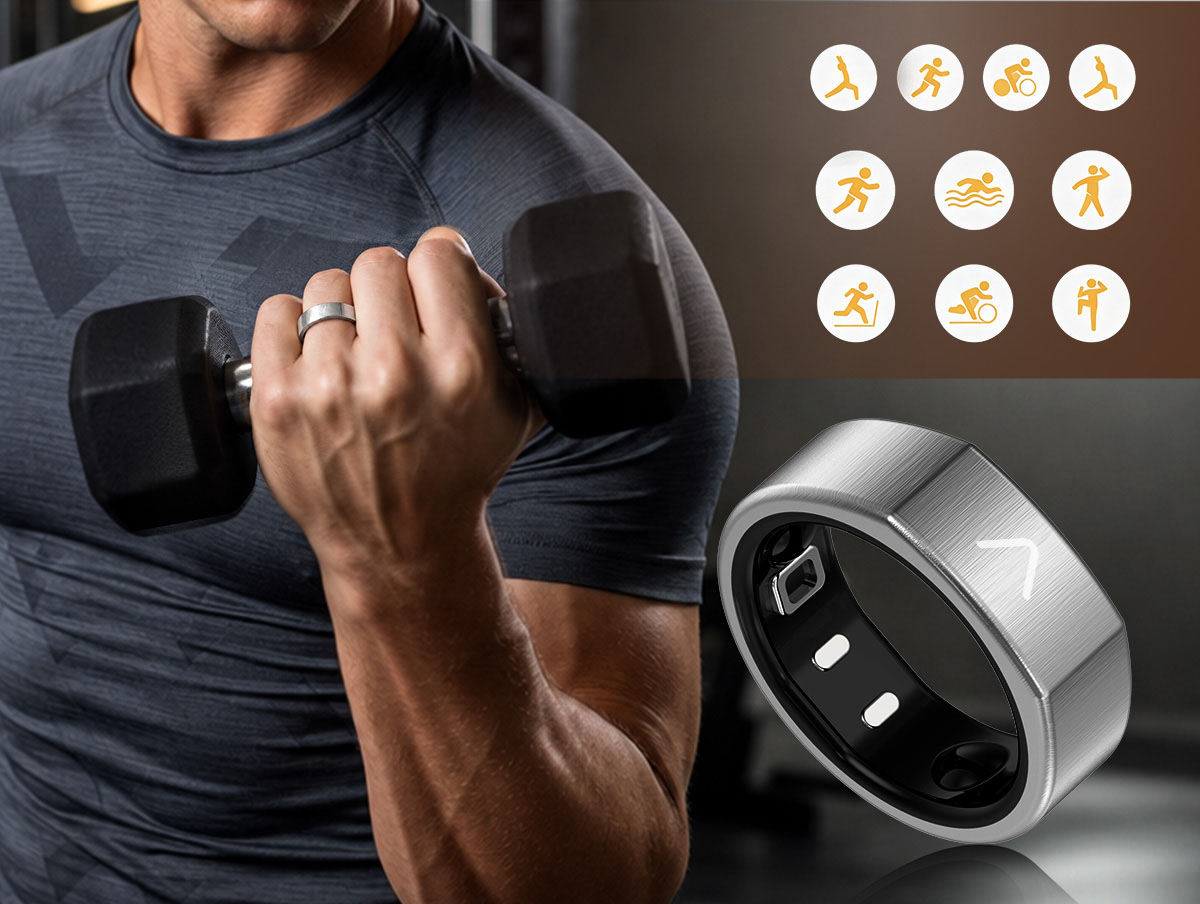
What a Buyer Must Own in a Custom Wearable Project
The obligation side of a custom project: what is actually yours once the product ships, which technical document categories you must be able to produce, whose duty it is to place the product on a market, how claim and label control is built, and how to plan spares and continuity.
Cluster 07
About & Evidence
How to read supplier documentation, and how a wearable moves from design intent to a shipped unit — including the limits production cannot recover.
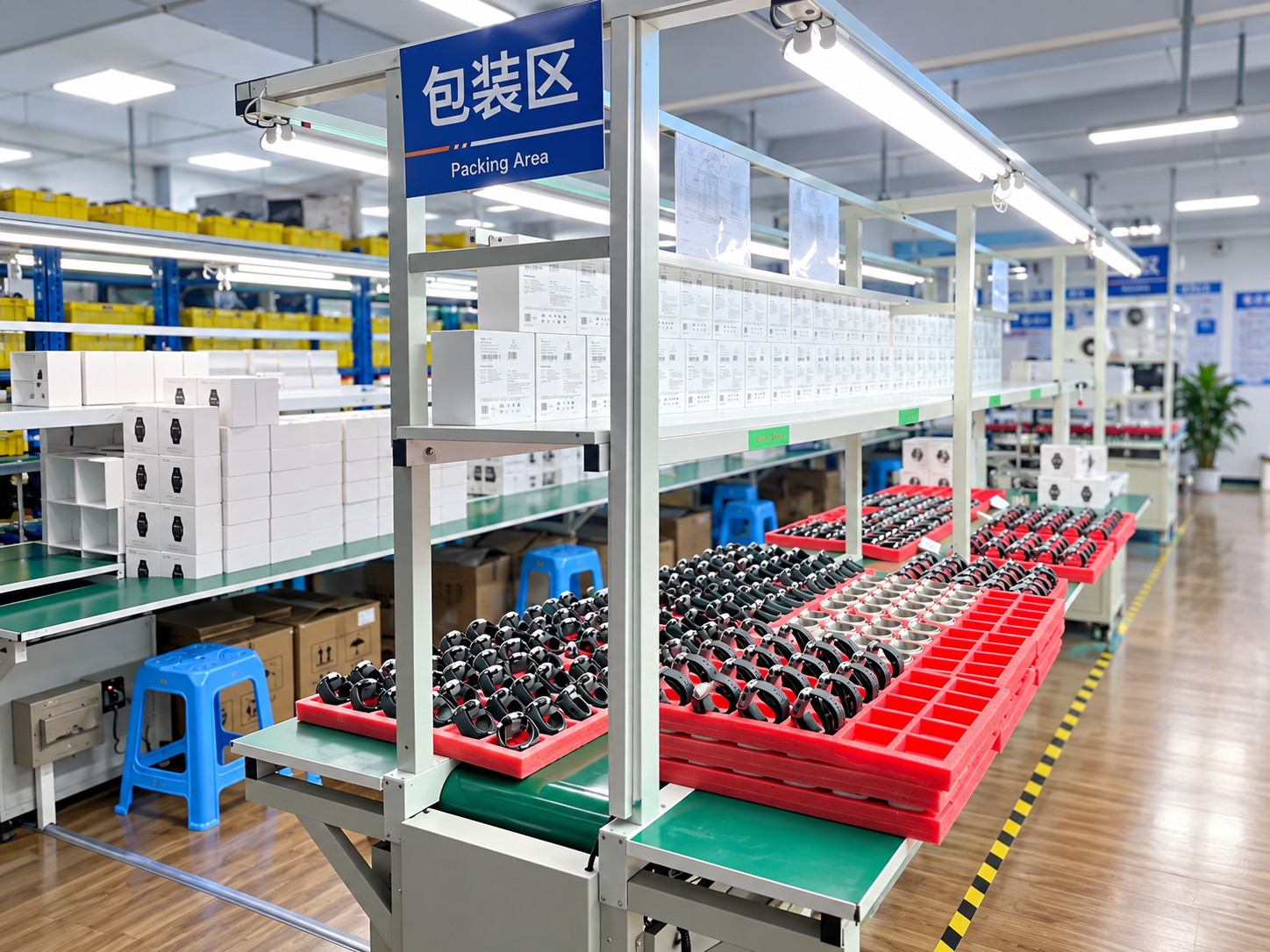
How to Read a Health-Wearable Manufacturer’s Quality Documents
Three document classes that are routinely confused: a production licence, a quality-management-system certificate and a product market authorization. What each one proves, what none of them proves, and the seven asks that turn a supplier pack into a verifiable file.
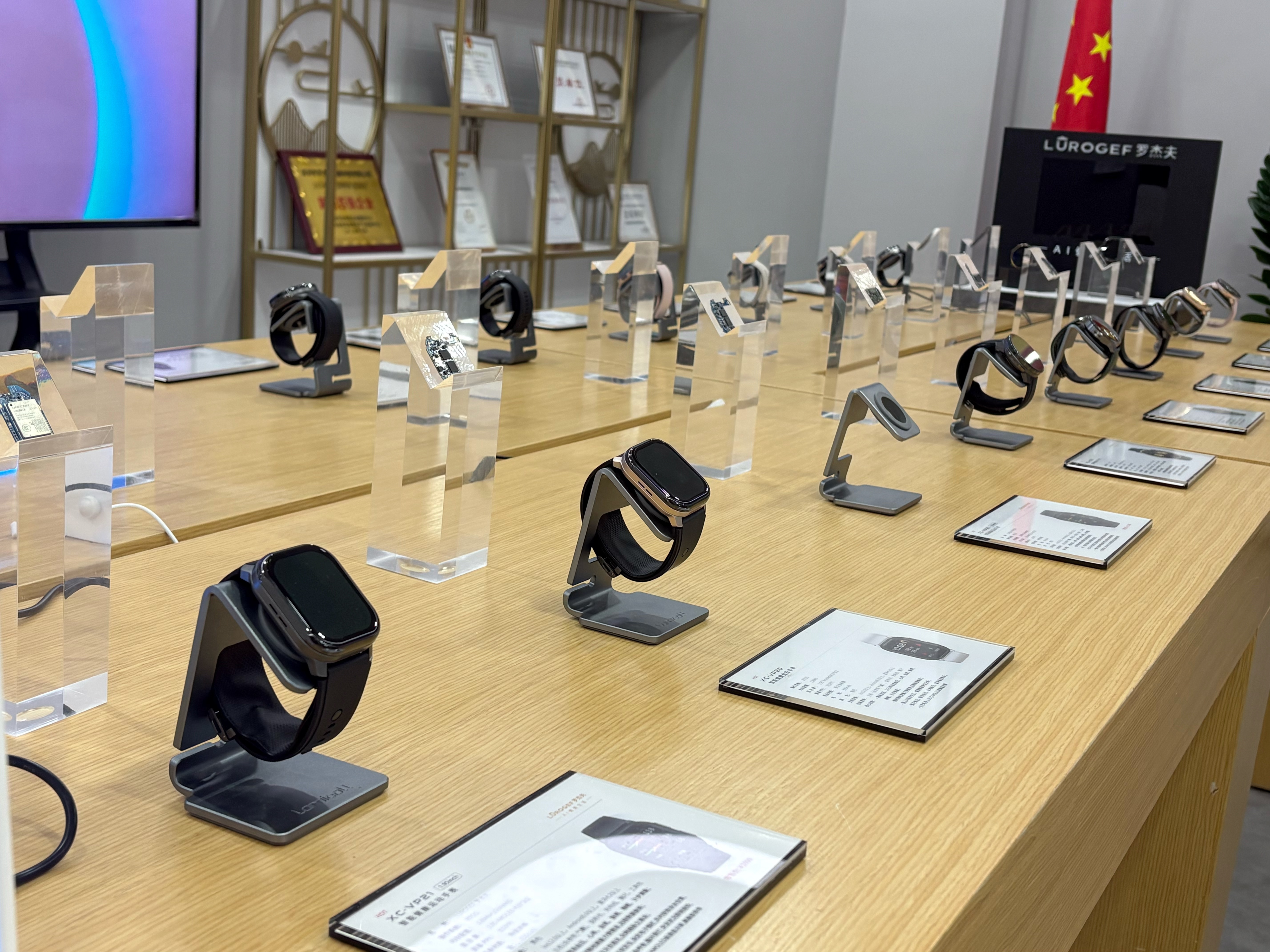
From Development to Production: Building a Watch
The five stages from design intent to handover, the gate each stage must clear, why water resistance, wear duration and sensor choice cannot be added later, and where the factory’s own certificates sit relative to your product’s records.