Use the right device
Start with the actual need: blood pressure, continuous glucose information, or everyday wellness data. Each needs a different sensing platform.
Remote health monitoring
Remote health monitoring starts with a measurement made outside a care setting, often at home. A connected device lets the wearer view supported readings and trends later in a compatible app. For organised programmes, the next question is who needs access to that information and how it will be reviewed.
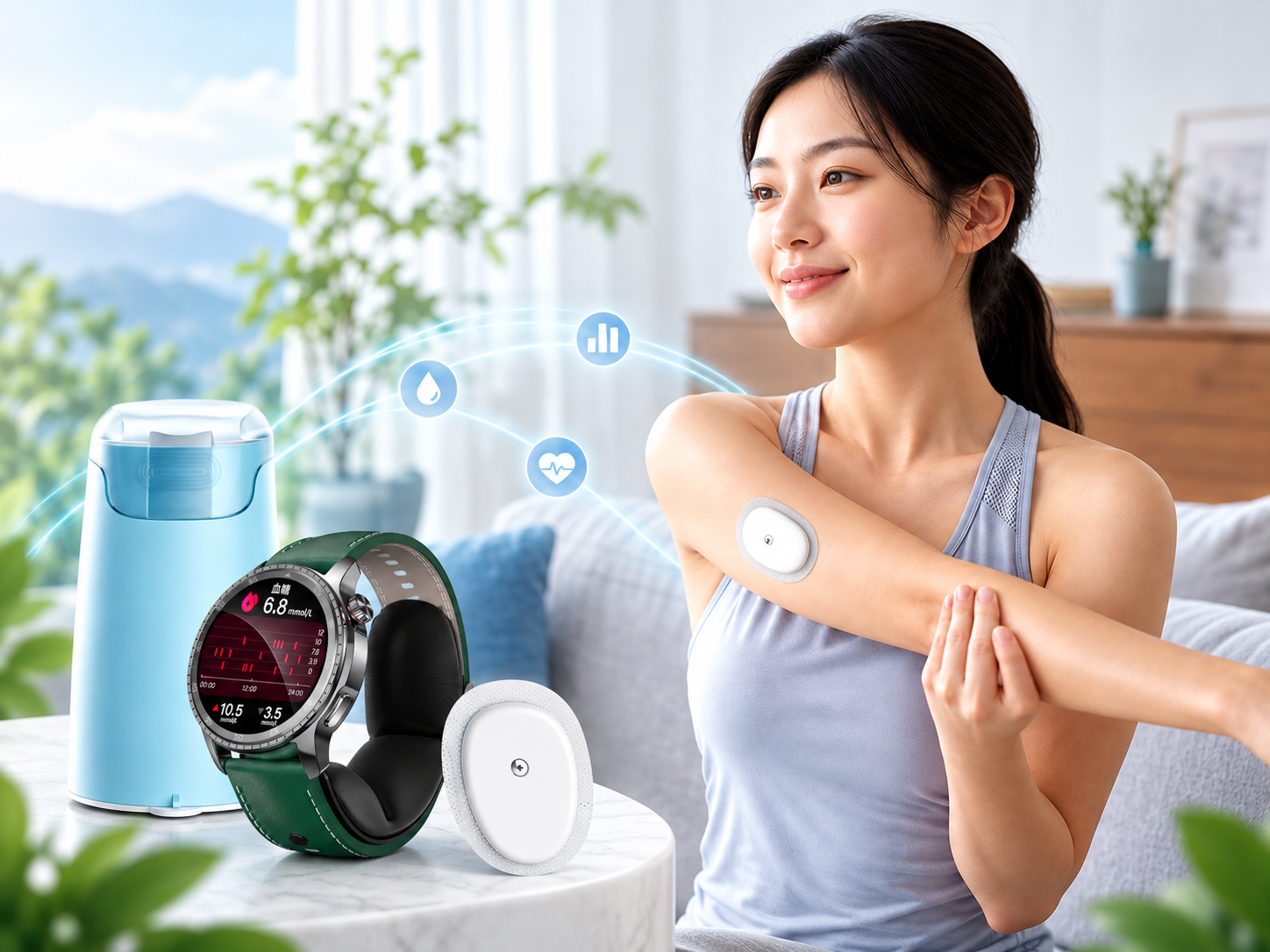
What remote monitoring means
The value is not simply collecting more numbers. It is making relevant readings available over time, so the wearer—and, where the project supports it, an authorised reviewer—can see what has been recorded.
Start with the actual need: blood pressure, continuous glucose information, or everyday wellness data. Each needs a different sensing platform.
Confirm how the selected device connects to a compatible app and which measurements or trends the user can review there.
If someone else must review the data, decide who has access, when they review it and what follow-up process the programme requires.
Where it can be used
The same connected idea supports different needs, but the device and the review process change with the scenario.
A person measures blood pressure at home with a selected air-pump wearable, then reviews saved readings and trends in a compatible app. For a patient monitoring programme, the project team defines how those records are shared and who reviews them.
The S10 continuous glucose sensor is worn on the upper arm and collects glucose information over time. Compatible applications and selected wearables can be used to view the data; the watch is a display, not the glucose sensor.
A compact ring can make it easier to follow supported sleep, activity and wellness information across ordinary days and nights. This is a wellness use case, separate from a clinical patient-monitoring workflow.
From measurement to review
A wearable or sensor captures information. Available connectivity brings it to a compatible app, where supported readings and trends can be viewed. Any further sharing or integration is confirmed for the chosen product and project.
What the user can see
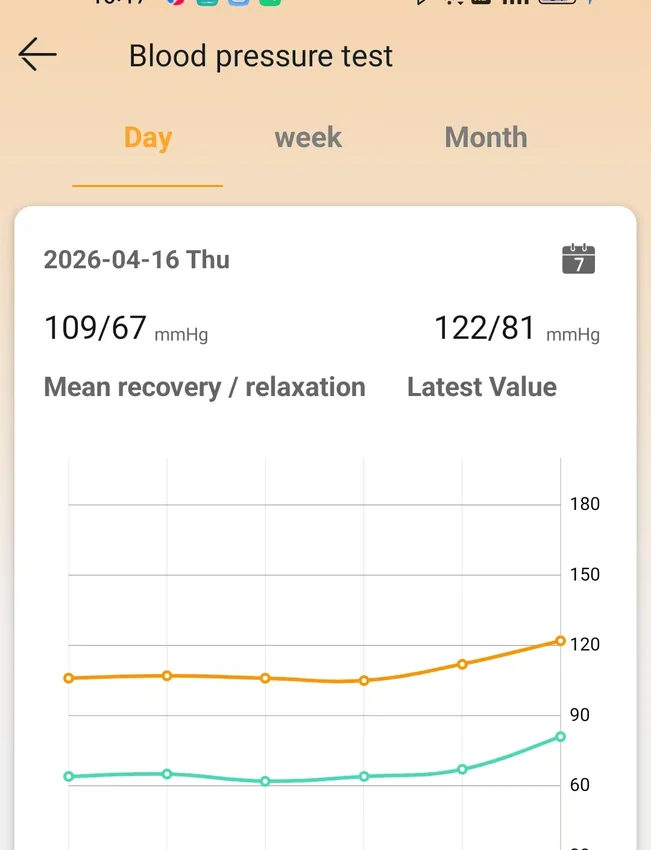
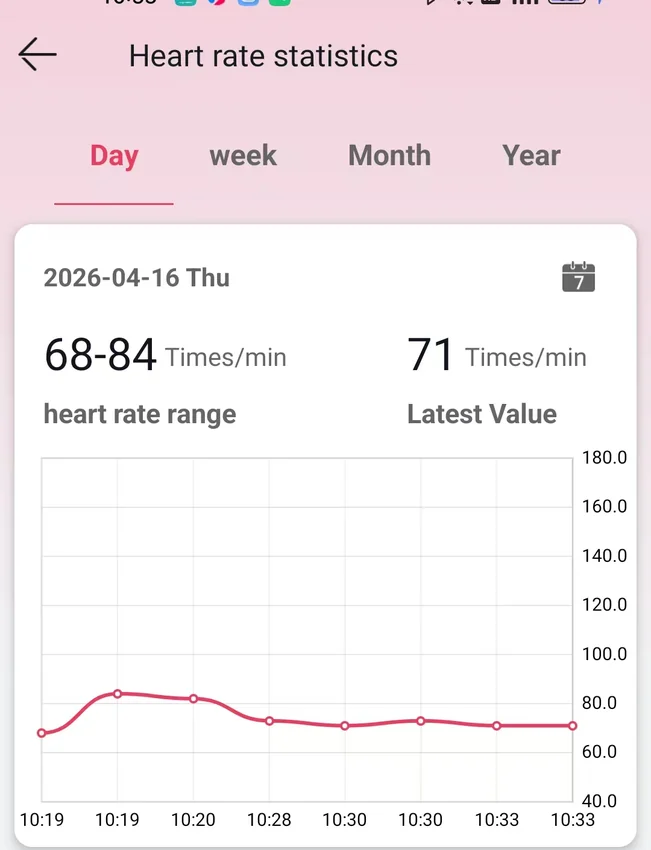
These supplied watch-app examples show a blood pressure record and a heart-rate trend. They illustrate connected viewing—not a provider dashboard or a promise that every model has the same screen.
Available app screens, data fields and sharing methods vary by product and project configuration.
Choose a product starting point
These platforms serve different roles. Product selection should follow the information you need to capture, who will wear the device and how the data must be viewed.
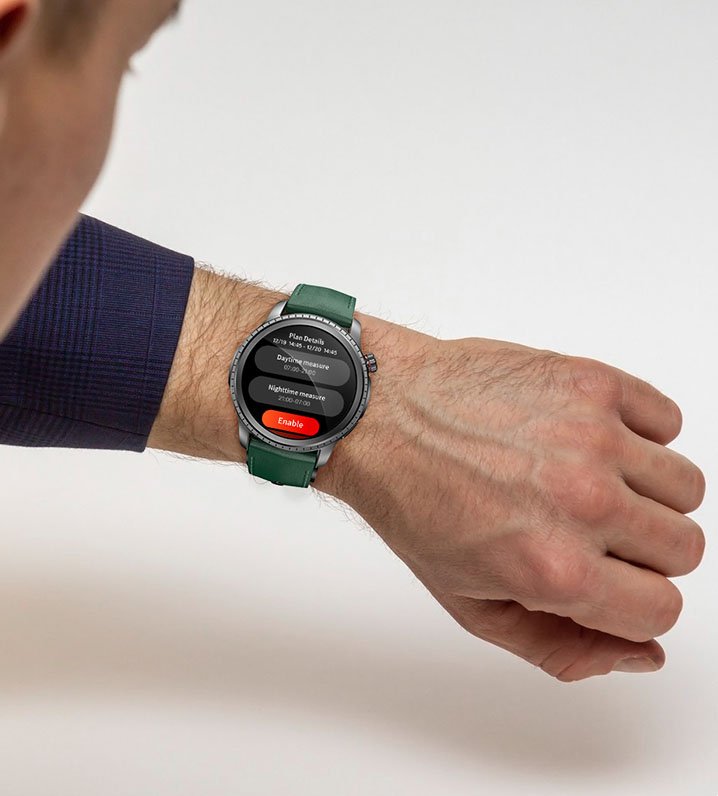
For a defined at-home blood pressure measurement routine, with connected viewing options that depend on the model.
Explore Platform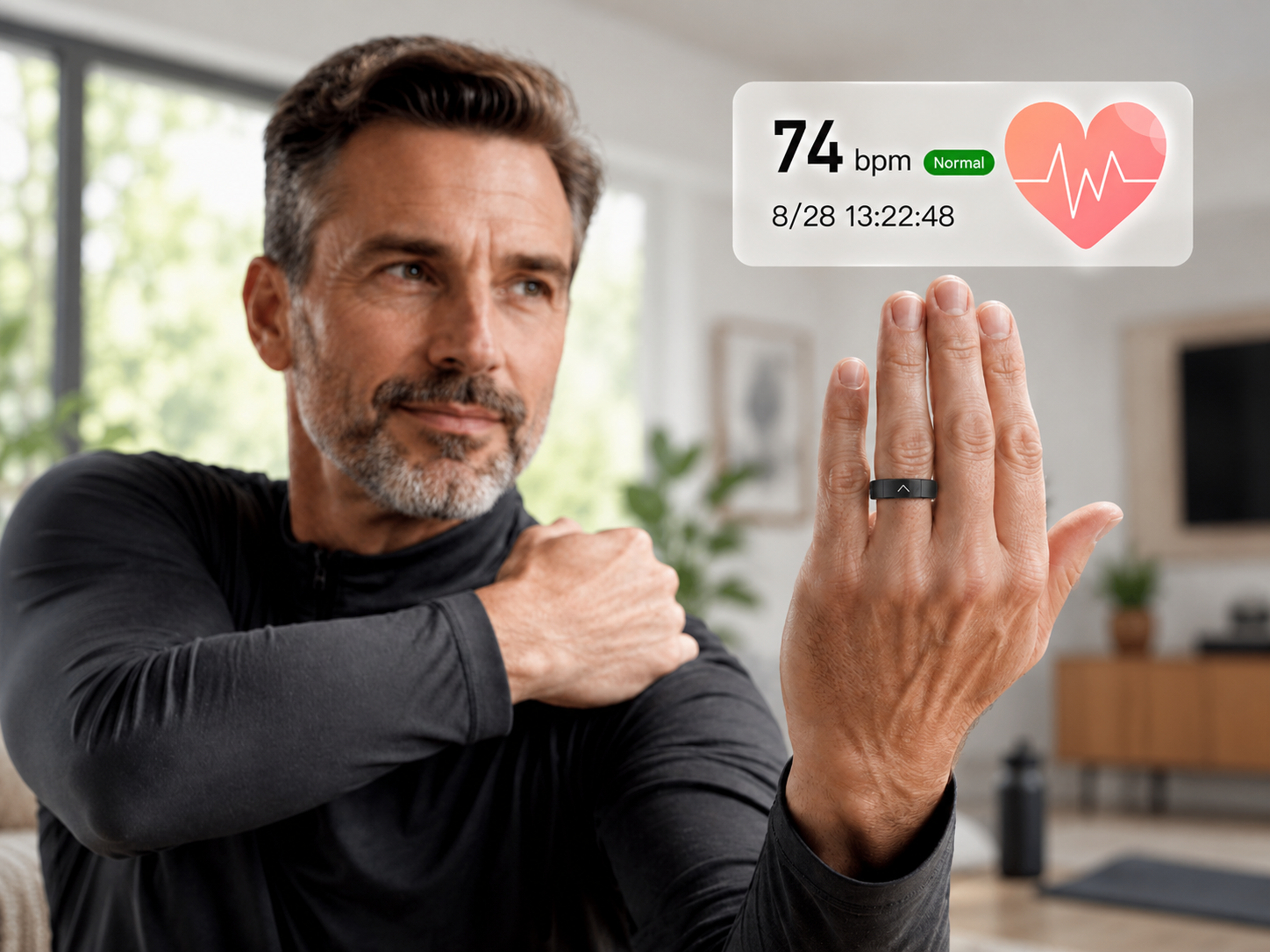
For day-and-night wellness, sleep and activity information in a smaller wearable form.
Explore Platform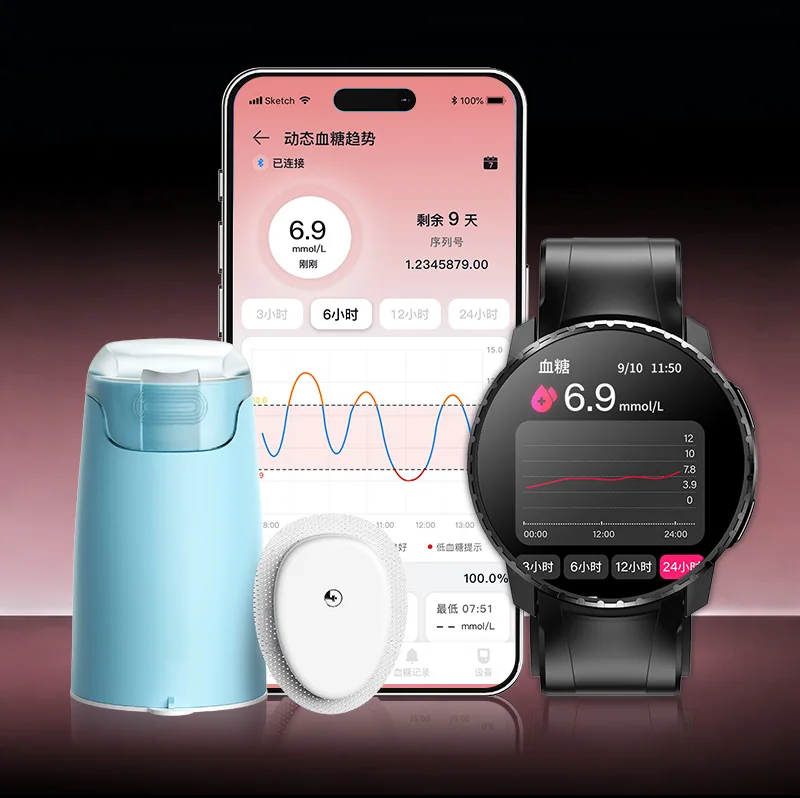
For continuous glucose information from a separate upper-arm sensor and compatible viewing devices.
Explore PlatformPlanning a patient monitoring programme?
Tell us which measurements are needed, where they will be taken, who should see the records and what market the programme will serve. Device suitability, data access, integration and any clinical or regulatory requirements must then be confirmed for that specific project.
What data is needed, and how often?
Who wears the device and who reviews the record?
Which app, market and follow-up process apply?
Frequently Asked Questions
Answers about choosing and using wearables for this application.
Visit the FAQ pageThe S10 CGM system measures glucose with a single-use upper-arm sensor and transfers readings wirelessly to a compatible receiver or app. Any onward connection to your platform needs a confirmed interface and an end-to-end test.
Check that the measurement completed, the receiver is powered and paired, and the displayed timestamp is current. Then check network access and onward integration logs to locate the failed stage and route it to its support owner.
Explain what data is collected, its purpose, recipients, access permissions and retention arrangements. Show how authorization is recorded and withdrawn, consistent with the requirements of the deployment territory.
Test onboarding, correct measurement, delivery timestamps, missing readings, weak signal and reconnection. Include device replacement and support escalation, then compare results with the operational targets agreed before the pilot.
Share your target users, measurement needs and data-viewing requirements. We can help identify a suitable product starting point and confirm the next technical questions.
We use only necessary browser storage to remember privacy preferences and support core site functions.